

Flooding can leave homeowners with choices about property damage, safety, insurance and the chance to rebuild. Even if a house looks hidden, wetness , structural worries and damaged electrical or plumbing parts can make the task more difficult. Going to demolition or rebuilding a flood-damaged home in Florida without proper records and expert checks can bring surprise costs and delays. Rebuilding a house needs a careful plan that covers immediate safety problems, insurance issues, local building rules and the house condition. For Florida homeowners knowing each step can make residential flood damage rebuilding more organized and help make choices before construction starts.
1. Prioritize Safety and Document the Damage
Before checking a house ensure it is safe to go near and to enter. Floodwater can harm systems, weaken building parts and bring in sewage or other contaminants. Avoid the place which has standing water. Follow guidance from emergency officials and utility companies and do not turn utilities back on yourself if the house could be unsafe.
When the house can be reached safely, record the damage. Take pictures and videos of the affected rooms, floors, walls, furniture, appliances and other harmed items. Keep a written list of the damaged areas and any emergency work that has already been done.
Contact with insurance company without any delay for rebuilding a flood-damaged home in Florida. Make sure to keep the receipts for records and copies of all relevant messages. Personal safety must always come before collecting evidence. Never go into an area just to take pictures.
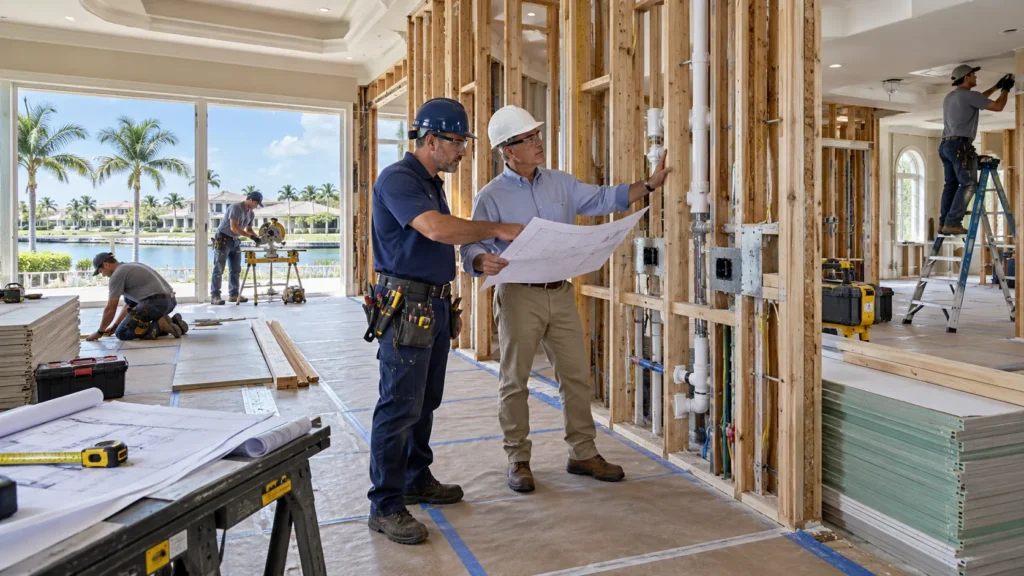
2. Arrange a Professional Property Assessment
Visible damage does not always show the extent of a flood’s effect. Water can move behind walls under floors and into insulation or other hidden spaces. Materials that look dry on the outside may still hold wetness and long exposure can damage parts.
An expert check can show which parts of the house need study, fixing or replacement. Depending on the damage the check may include:
- Parts: Check foundations, framing, loadbearing parts and other possibly affected areas.
- Electrical systems: Have a qualified electrician look at waterexposed wiring, outlets, panels and gear.
- Plumbing systems: Check pipes, fixtures and related parts.
- Hidden wetness: always assess the walls and floors for moisture.
Different worries may need qualified experts. A structural engineer, electrician, plumber or environmental cleaner may be needed based on the situation. A general contractor can arrange rebuilding. That does not mean the contractor can certify every system on its own.
3. Review Insurance and Financial Considerations
Before fixing damage call the insurer and ask about the claim procedure, needed documents, inspection steps and any deadlines that apply to the policy. Keep pictures, damage checks, contractor estimates, receipts and written messages in one place.
Check your coverage limits, deductibles, exclusions and other policy rules with the insurer. Coverage depends on the policy and the situation so do not assume every fix or upgrade will be paid for.
It is also key to tell the difference between an insurance decision and a contractor’s estimate. An estimate lists expected work and costs while the insurer checks coverage separately. You may need to talk about payment options if the approved claim does not cover the project.
Before giving the goahead for work know the expected costs, payment plan and possible extra expenses. A written budget can help you plan for damage found while rebuilding.
4. Check Floodplain Rules and Rebuilding Requirements
Florida homeowners must review floodplain and building requirements before deciding how to reconstruct a flooddamaged property. Florida homeowners should carefully consider the floodzone designation, elevation information, location and local regulations of the property as all these factors can affect the work that is permitted.
Local building or floodplain officials can explain which permits and requirements apply to the property. Depending on the circumstances Florida homeowners may need to review the building’s existing elevation, the applicable base flood elevation and any additional elevation standards required by the jurisdiction.
Another important consideration is the distinction between damage and substantial improvement. Under floodplain regulations these rules may affect buildings in designated flood hazard areas when damage or planned improvements reach specified thresholds. The determination generally depends on the calculations, property conditions and local requirements. Florida homeowners should be aware of this distinction.
Not every flooddamaged home must be. Rebuilt. The requirements depend on factors such as the property’s location, the extent of damage the proposed work and the rules enforced by the authority. Florida homeowners should evaluate these factors carefully.
Before finalizing the reconstruction scope Florida homeowners should confirm whether the project triggers requirements. Addressing these questions early can help Florida homeowners avoid planning work that later needs to be revised.
5. Develop a Reconstruction Plan
Once the property assessment and initial regulatory review are complete Florida homeowners should develop a written reconstruction plan. This plan should identify the work required to restore the home and address the damage discovered during inspections.
Rebuilding a flood-damaged home in Florida should start by listing the materials and building systems that need repair or replacement. Depending on the findings this may include drywall, insulation, flooring, cabinetry, electrical components, plumbing fixtures or structural elements. Confirm that affected areas have been appropriately evaluated and that necessary drying and moisture control measures are addressed before enclosed spaces are rebuilt.
Homeowners can make proper discussion on what kind of improvements are needed. Choose the options which have high end durability. Make coordination among contractors and specialists so that repairing can happen in the proper way. Make sure to document everything to avoid any kind of hassle.
6. Choose the Right Reconstruction Contractor
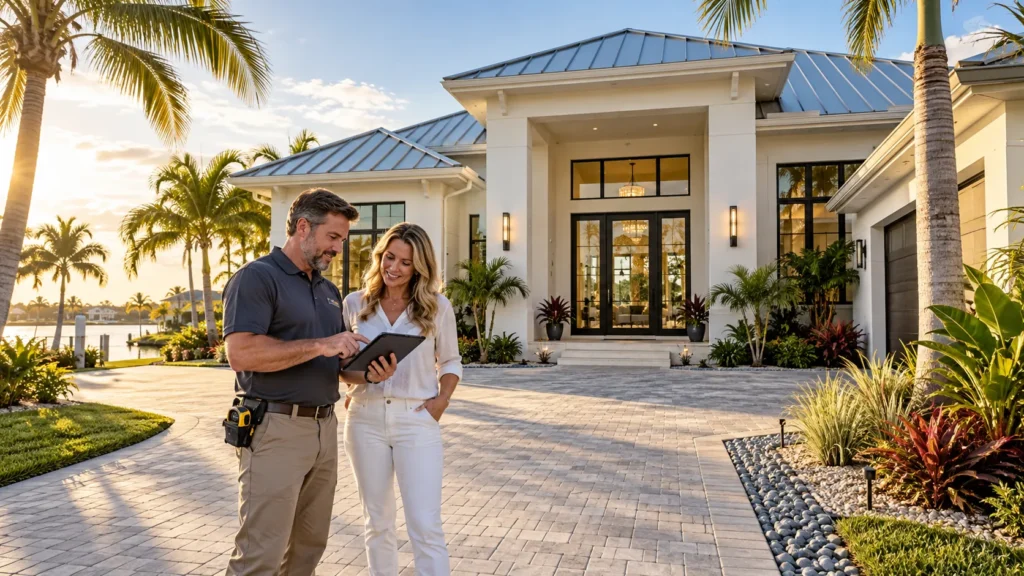
Choosing a storm damage reconstruction contractor is an important part of residential flood damage rebuilding. Flood-related projects may involve trades, inspections and unexpected repairs so Florida homeowners should look beyond the initial estimate.
7. Confirm Permits, Inspections and Project Milestones
Before regulated rebuilding a flood-damaged home in Florida begins we would advise checking which building, electrical, plumbing or other permits are required. Requirements depend on the property’s location and the proposed scope of work. The homeowner and contractor should decide who is responsible for applications, scheduling inspections and keeping records.
Create a project schedule with milestones, such, as demolition, approved repairs, system installations, inspections and finishing work. Keep records of completed work, approved changes, inspection results and outstanding issues.
Some stages must receive approval before the next phase can proceed. Following the required sequence helps prevent rework and supports a more organized reconstruction process.