Building a home is more than picking a floor plan and choosing paint colors. In Pinellas County, Florida things like property conditions, flood risk, permit rules and utility access can all shape how your project goes. Smart planning helps you spot problems early before they turn into changes during construction. If you’re thinking about building a home in Pinellas County, learning about your property, local rules and your budget is key. This tutorial explains how to inspect your property, prepare for permits, budget your costs, and choose a home construction contractor.
Evaluate Your Property Before Starting Construction
Before you lock in your house design take a look at whether the land is right for the home you want. Start building a home in Pinellas County by checking the lot size, property lines, road access, any existing buildings and how much room there is for construction equipment. A lot might look perfect. It could have drainage issues, poor access or rules that limit what you can build.
Check if essential utilities like water, sewer and electricity are available. You might need to pay for connections or upgrades. Clearing trees, tearing down structures, grading the land or fixing bad soil can also add to your prep costs.
A recent property survey helps you know where your boundaries are and what features are on the site. Based on your property you may also need soil tests, drainage checks or other expert assessments.
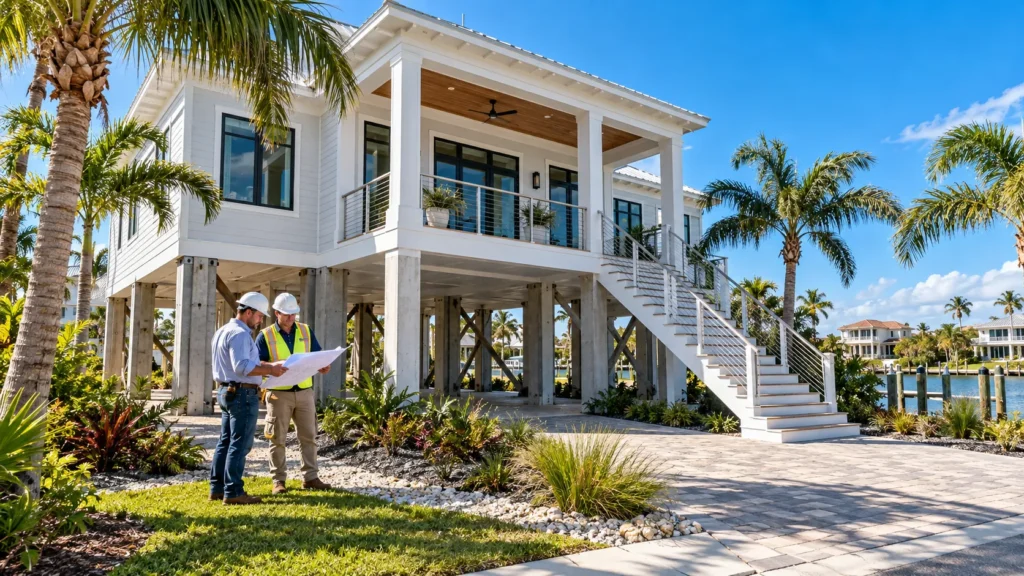
Understand Flood Zones and Elevation Requirements
Flood risk is a deal when building a home in coastal Florida. Before you start designing, find out if your property is in a flood hazard area and what rules might apply.
The Federal Emergency Management Agency (FEMA) makes Flood Insurance Rate Maps that show flood zones. These maps are helpful. Just being in a flood zone doesn’t mean you know all the rules for your specific property.
Local floodplain rules, building codes, your property’s elevation and your proposed home design all matter. Depending on the situation you may need to raise the floor, use a special foundation or build with flood-resistant materials.
Plan for Permits, Plans and Inspections
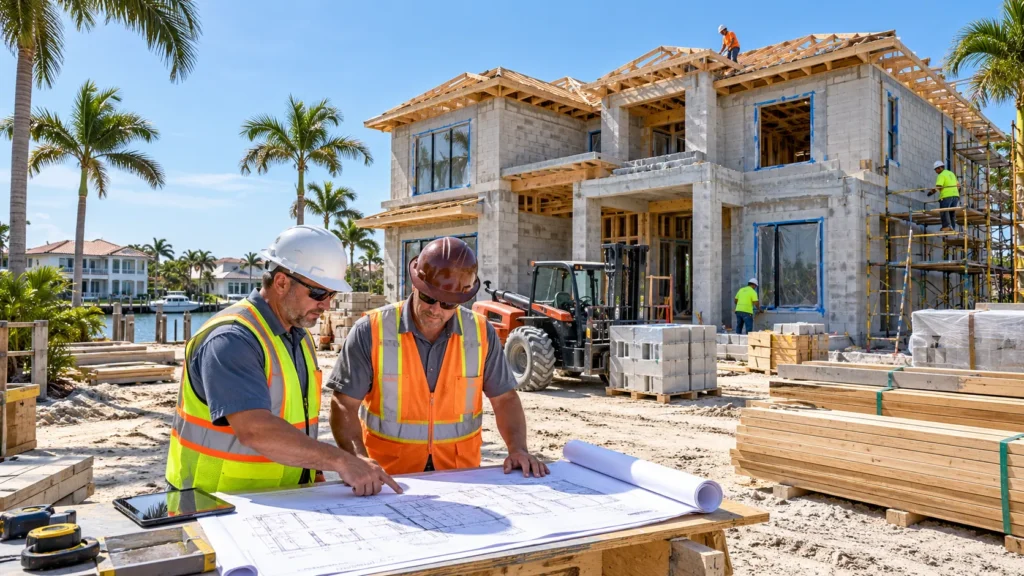
Obtaining the approvals building a home in Pinellas County is a necessary step when you prepare a residential construction project. The requirements vary depending on where the property’s the type of home you want and how much work is planned.
Architectural drawings and engineering documents might be needed to show that the proposed structure meets the building and safety standards that apply. Your design and construction team can help identify which documents are required for the application.
New home construction permits in Pinellas County may require building plan reviews and extra approvals for drainage, utilities, environmental conditions or other site‑specific concerns. Not every project needs each type of approval.
It is also essential to identify the permitting authority. Depending on where the property’s the application may be handled by Pinellas County or by a local municipality with its own building department and procedures.
After approval inspections may be needed at stages of construction. These inspections can cover foundations, structural components, electrical systems, plumbing and other work depending on the project and the applicable code.
Confirm the requirements, fees, application procedures and inspection schedule with the proper authority before construction begins. Planning for these steps early can help reduce delays.
Create a Realistic Construction Budget
The project should be included in a reasonable budget, not merely the price of building the house. Site preparation, design, engineering, permits, utility connections and foundation work can all add to the expense.
Start building a home in Pinellas County by defining the home’s size, layout, structural needs and desired finishes. Choosing materials for flooring, cabinetry, windows, roofing and fixtures can greatly affect costs. Setting priorities early helps you make decisions when comparing options.
Property conditions also matter. Clearing a lot, improving drainage, fixing soil issues or meeting flood‑related design rules may add expenses that’re not obvious at an initial property visit.
Ask contractors to give a written estimate that explains the project scope, included materials, allowances, exclusions and payment milestones. Allowances should match the quality of finishes you expect. Otherwise choosing materials later can push the budget past its target.
How to Choose a Construction Contractor
Choosing the right residential construction contractor in Pinellas County can help you coordinate the many decisions involved in a new home project. Look for a contractor whose experience matches your proposed home, property conditions and construction needs.
Start by checking the contractors license and insurance. Florida licensing rules depend on the type and scope of work so confirm that the contractor has the credentials for the project.
Ask about projects the contractor has finished their experience, with permits and how they handle site conditions. A contractor should explain the proposed scope, expected schedule and the responsibilities of the people involved without making promises.
Read the written contract carefully. It should clearly describe the work, materials, allowances, payment milestones, exclusions and how changes will be approved. You should also know how schedule updates and construction decisions will be communicated.
FAQS
Do I need to check a flood zone before building a home in Pinellas County?
Yes. Looking at FEMA flood maps. Checking local rules can reveal design, height, insurance and permit needs. Just because a zone is shown does not mean all rules are set so you should confirm the conditions for your property with the local authority.
Who determines the permits needed for a home?
The building department that applies and other authorities decide which approvals you need. Depending on where the property sits this could be Pinellas County or a city government. The needed permits depend on the size of the project and the site itself.
Before asking for a building quote, what should I have ready?
Give the property address any survey or site data you have the desired home size and layout the features you want and an approximate budget. Tell the contractor what you know about the flood zone and any site studies you already have. These facts let a contractor give a first estimate.
Plan Your New Home Project with Confidence
Building a home in Pinellas County begins with getting to know the property and its special needs. Early site checks, flood zone study, permit planning and a realistic budget help you make choices before you start building. Picking a contractor who has records and the right experience is also key.