Coastal zone construction needs more than a design and skilled labor. There are many issues which you face such as flooding, strong winds and moisture. Before breaking the ground, owners of properties and contractors should understand the building codes.
Permits and Approvals for Coastal Construction Projects
Obtaining the permits before work begins is essential. Permits allow the appropriate authorities to review proposed construction for compliance with safety, zoning, structural and environmental requirements.
Depending on the project approvals may involve building permits, zoning reviews, site-development approvals, flood-related requirements or environmental and water-related authorizations.
Starting construction without permits can result in stop-work orders, penalties, delays or costly modifications. It can also create complications when selling or insuring the property later.
Building Permits and Local Approvals
Building additions to existing structures, repairs, structural alterations, and other modifications may require building and structural permits. Some projects of Coastal Zone Construction in Safety Harbor, FL could also need permission from zoning authorities or approval for how the land’s developed.
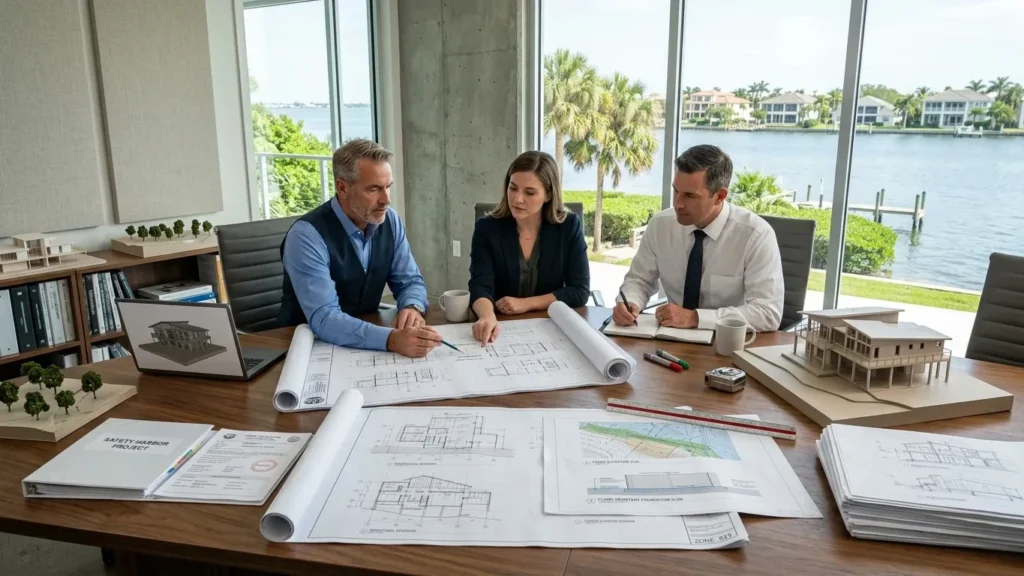
The process of getting permits might involve handing in blueprints from architects or engineers, land surveys, details about the structure, information about how water flows and other papers that support the project.
Inspections are also an important step in the process. Necessary inspections make sure that the work is being done the way it was approved and that it follows all the rules.
Building Safe and Strong Structures Near the Coast
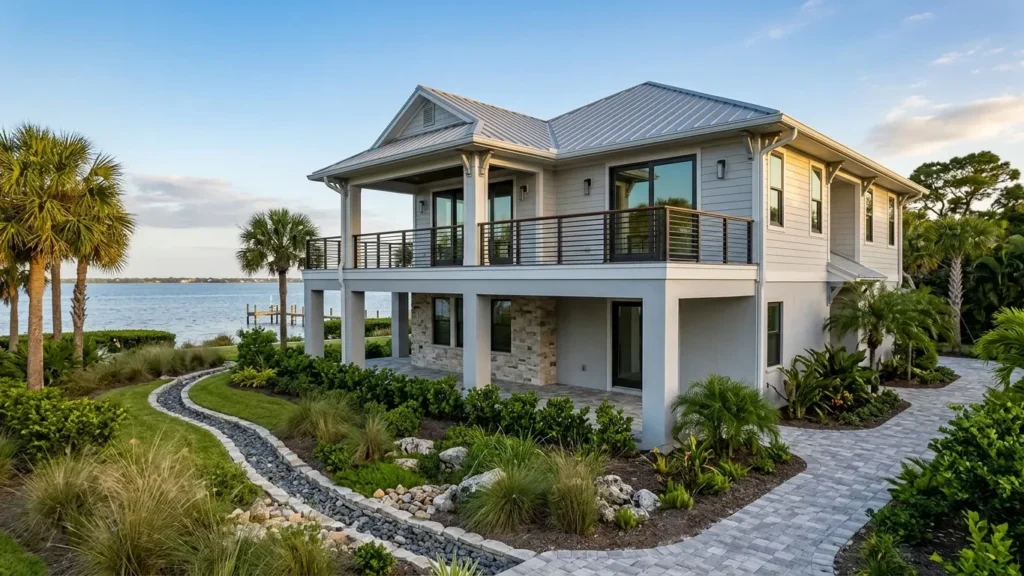
Construction near the coast has to think about conditions that’re not as bad inland. Water from floods, wind, rain, damp air, salt and storms can make demands on buildings and other improvements. Designers and builders should use methods and materials that work well for these conditions and also follow the rules in Florida.
Flood-Resistant Building
Designing to stand up to floods can help keep damage to a minimum when water gets into or around a property. Depending on the type of building and the flood zone rules this might mean lifting parts of the building. Putting things that could be damaged above where the water might go.
Materials that resist water can also be used in places that might get wet. Good drainage is just as important because water that stays in one place can hurt foundations, floors, gardens and the parts that make the building work.
Stormwater needs to be handled so that it doesn’t cause problems for the property or the places around it.
Protection From Wind, Storms and Rust
Construction in Florida must deal with wind and storm conditions. Roofs, windows, doors, how things are connected and other parts should be made and put in place according to the rules. Damp air near the coast can also make rust happen faster with metal parts. Picking materials that don’t rust and finishes that protect them can help make parts last longer. These steps should be part of the design and not something done at the minute.
Common Problems in Building Near the Coast
Projects near the coast can have problems that need thinking about. Weather is one of the unknowns. Rain, big storms, hurricanes and strong winds can stop work from going on as planned.
Conditions on the site can be another problem. Bad drainage, ground that isn’t stable, erosion and differences in height might need engineering or changes to the land. Getting permits can take longer if there are groups involved or if there are environmental checks. The cost of additional materials, engineering work, inspections, and flood-resistant components may increase.
Working with architects, engineers, builders, people who measure the land, check the work and the groups that make the rules is very important to keep everything in order.
Best Ways to Make Sure a Project Is Safe and Meets Rules
Homeowners can avoid problems by being ready and thinking ahead when building near the coast. Try these ideas:
- Work with people who know the rules and are good at their jobs.
- Check what the rules are about where the lands where the water might go and the environment before starting.
- Get all the papers and approvals that are needed.
- Use ways of building that follow the rules.
- Plan for the checks that need to happen at the times during the project.
- Keep the plans and papers about the building easy to find.
- Save copies of surveys, permits, reports, about the building and approvals.
- Think about how water and rain will be handled when designing the project.
- Select materials that are resistant to wind, dampness, and the seashore.
Keeping records is really helpful when many builders or groups are part of the project.
Final Checklist for Coastal Construction in Safety Harbor
Property owners should check that zoning rules and coastal or floodzone rules have been reviewed.
- Property owners should confirm that the property and site conditions have been properly examined.
- Property owners should confirm that current flood maps and elevation data have been checked.
- Property owners should ensure that required environmental factors have been identified.
- Property owners should verify that all necessary permits and approvals have been obtained.
- Property owners should check that plans follow all building codes.
- Property owners should ensure that flooding, wind, moisture, drainage and corrosion have been taken into account.
- Property owners should confirm that required inspections are part of the construction schedule.
- Property owners should keep permits, plans, surveys and approvals organized and ready.
Conclusion
Coastal Zone Construction in Safety Harbor, FL needs planning from the first design step to the final inspection. Flood risk, wind, moisture, drainage, environmental conditions and permit rules can all affect how a project should be designed and finished.
By examining the property checking rules, getting the right approvals and using resilient building methods property owners can build safer and longer lasting structures. Consulting local experts before breaking ground can also help spot needed items early and keep the project moving toward completion, with fewer surprises.