Building in an area needs more thought than just picking a design and starting to build. In Safety Harbor, FL houses that are in or close to flood areas might need rules about height, the way the building sits on the ground, how water is drained and getting the right permits.
Flood-zone building has to consider both the rules and the Florida Building Code. Learning about the Coastal Flood Zone Construction in Safety Harbor, FL. this includes flood level of the property and the planning rules early can help avoid delays and expensive changes
Understanding Coastal Flood Zones in Safety Harbor FL
A coastal flood zone is a place that might get flooded because of storms or high water. FEMA maps are usually used to find out the flood risk for a property and the base flood details.
These flood levels can change how a building is made. Depending on where the property’s flood zone is in the rules might deal with the height of the building, the foundation, the materials used openings in the walls, utilities and the structure itself.
Good planning is important because flood rules might need to be handled before building starts. The Coastal Flood Zone Construction in Safety Harbor, FL has rules about floods and local areas might have their floodplain rules too.
Key Construction Rules for Properties in Flood Areas
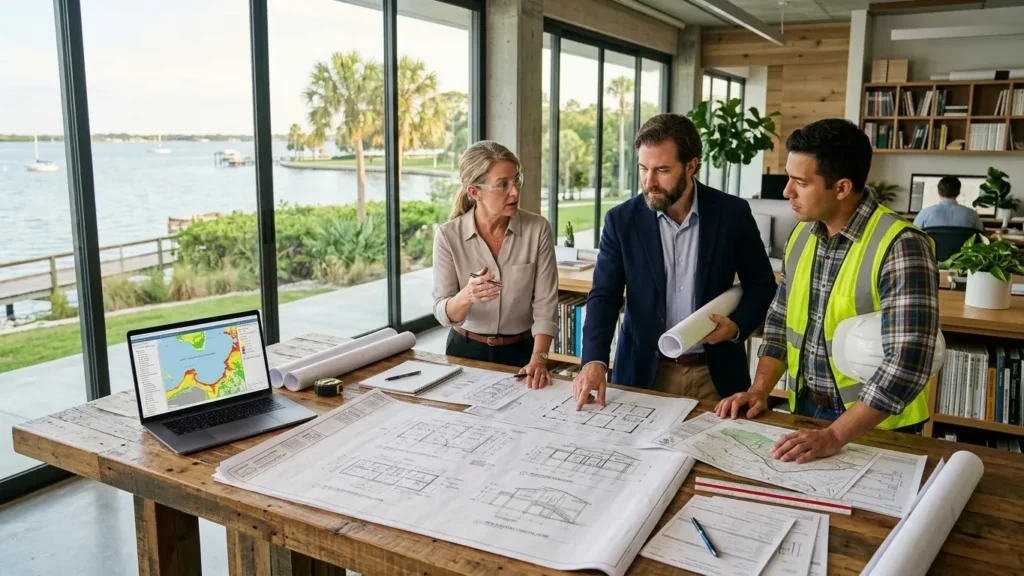
Building on a property that’s at risk of flooding might have rules that are different from normal homes or businesses. Local building rules, floodplain rules and the Florida Building Code should all be looked at when planning a project.
Florida has rules to make buildings more resistant to floods. These might include raising the building, designing the foundation using materials that can stand up to water and other structural choices.
Flood Zone Categories and Height
FEMA flood zone categories help show the flood risk for a property. The rules for a project can be different depending on whether the land’s in an A zone, a V zone or another category, on the map.
Base Flood Elevation, or BFE, is an important consideration for properties in regulated flood areas. Freeboard refers to additional elevation above the required flood elevation. Florida flood-resistant construction provisions have included elevation requirements involving BFE plus additional elevation, although the exact requirement depends on the applicable code and project.
Permits and Approvals for Coastal Flood Zone Construction
Permits are a part of any construction project in a regulated flood area. Depending on the scope of work, property location and project type approvals may involve building, zoning, floodplain and other local requirements.
Plans may need to show how the proposed structure will meet flood-related requirements. Reviewing these details for Coastal Flood Zone Construction in Safety Harbor, FL before construction begins. This can help identify issues that could otherwise cause inspection or approval delays.
When Additional Permits May Be Required
Some project additions need proper approval. This includes:
- Shoreline and water-related work
- Drainage and storm water projects
- Environmental or wetland considerations
The exact approvals depend on the property and proposed work so project-specific requirements should be confirmed with the local and state authorities.
Designing Safe Structures in Coastal Flood Zones
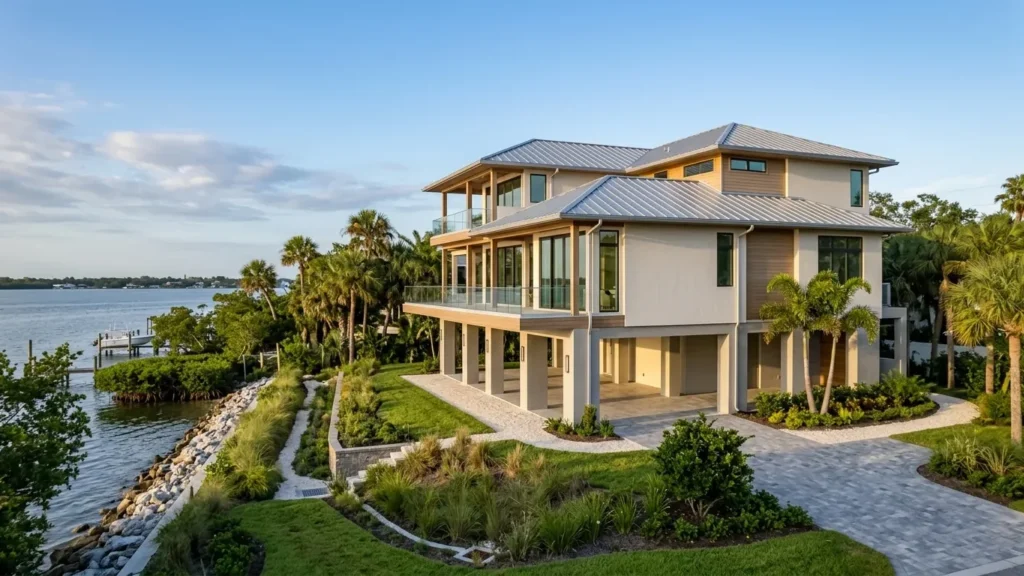
Flood-aware design starts before construction begins. The building’s foundation, elevation, materials, drainage and structural system should be considered together rather than treated as separate issues. A planned design of Coastal Flood Zone Construction in Safety Harbor, FL can help the structure meet applicable requirements. while other accounting for the conditions associated with coastal weather and flooding.
Flood-Resistant Construction Methods
Elevated foundations and structures may be used where required by the flood-zone regulations. In coastal high-hazard areas specific foundation and obstruction requirements can apply. In places where building components might be exposed to floodwater, flood-resistant materials can also be crucial.
Wind, Storm and Corrosion Protection
This construction also considers more than flooding. Hurricane-force winds and severe storms can place loads on buildings while moisture and salt exposure can contribute to corrosion.
Depending on the project structural reinforcement, appropriate fastening systems, wind-resistant components and corrosion-resistant materials may be incorporated into the design. The applicable building code and engineering requirements should guide these decisions.
Best Practices for Safe and Compliant Construction
An organized project begins with understanding the property before finalizing the construction plan. flood map, site construction and evaluation should be checked. Always consider the points.
- Make proper assessment
- Work with professionals
- Follow the approval
- Schedule required assessment
- Keep permits managed
Working with professionals of Coastal Flood Zone Construction in Safety Harbor, FL with local construction requirements. It can also make it easier to coordinate design, permitting, construction and inspections.
Coastal Flood Zone Construction Checklist
Before beginning a construction project in a flood area use this checklist as a starting point:
- Verify the property’s flood-zone designation
- Determine applicable elevation requirements
- Obtain required permits and approvals
- Use flood- and wind-resistant construction methods
- Address drainage and environmental concerns
- Complete required inspections
This checklist does not replace project-specific code review. Requirements can differ based on the property’s location, flood designation, type of construction and local regulations.
Conclusion
Coastal flood zone construction in Safety Harbor requires planning from the earliest design stage. Understanding the property’s flood designation, elevation requirements, foundation needs, drainage conditions and permit requirements can help create a construction process. The Florida Building Code includes flood- construction provisions and local jurisdictions may apply additional floodplain management standards.
Because requirements can change and vary by site property owners should confirm rules and work with qualified professionals before starting construction. With proper planning, accurate site information, approved plans, and required inspections, builders and property owners can address compliance and flood-resilience considerations from the beginning rather than making costly changes later.